
-
 ABOUT
ABOUTFounded in Nov., 2016,BAORUI is specialized in designing, manufacturing, exporting the rotary drilling tools,kelly bar,casing,hydraulic grab head and other teeth accessories.
-
 PRODUCTS
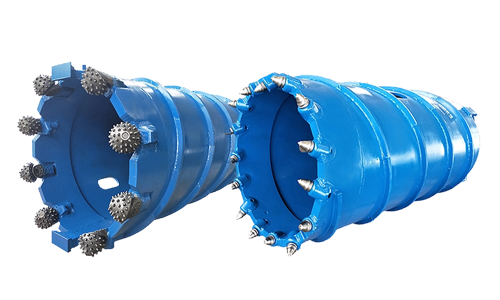
The main products are including the drilling buckets, rock buckets,cleaning buckets,core barrel with roller bits, core barrel with bullet tooth, rock drilling auger and other teeth accessories such as bullet tooth,roller bits,tooth holders, etc.
-
 SERVICE
Products customized service is available and technical construction solution will be provided according to different formation condition.
-
 BLOG
BLOGGet real-time company information and grasp the latest industry trends
-

All You Need To Know About The Core Barrel: Unleashing The Drill's Potential
Apr 23,2024
Drilling into the earth for geotechnical investigations,construction,and mineral exploration requires precision tools that can withstand the immense pressures and abrasive nature of the task. Among the diverse array of drilling equipment, the core barrel stands out for its ability to extract undisturbed samples efficiently. Before you venture into the depths of drilling with core barrels, it's essential to understand their intricacies and vast applications. In this comprehensive blog post, we'll take you through everything you need to know about core barrels — from the basics to the future of this crucial tool.
Introduction to Core Barrels: Understanding the Basics
At its core (no pun intended), a core barrel is a cylindrical tool used to cutting,collect rock and soil samples during drilling. The sample, known as the 'core,' remains undisturbed inside the barrel, preserving the stratigraphy and ensuring accurate analysis. This precision is vital in fields like geology, where understanding the layers of the earth is fundamental to predicting everything from natural disasters to the availability of resources.

The Role of Core Barrels in Geotechnical Investigations
Civil engineers and geoscientists heavily rely on core barrels to study the composition of the earth for construction and land development projects. Whether it's for analyzing the strength of materials for building foundations or assessing soil conditions for tunnels and dams, core barrels provide an irreplaceable window into the Earth's subsurface.
Core Barrels in Mining: Exploring the Depth
For mining companies, the value of a core barrel lies in sampling. By drilling deep into the crust, miners can extract core samples that indicate the presence and distribution of minerals, guiding the extraction process. This sampling approach is more reliable and cost-effective than traditional excavation methods, making core barrels a go-to tool for mineral exploration.
Types of Core Barrels and Their Applications
Core barrels come in various configurations to suit different drilling conditions and objectives.
Single Tube Core Barrels
The single-tube core barrel is a common and effective shallow drilling tool. Its design features a lower ring for cutting through rock formations to collect core samples and a stable barrel, making it suitable for shallow projects and small diameter reaming.
Double Tube Core Barrels
Double tube core barrels have advanced in complexity and functionality. These tube have a rotationally expanded outer barrel and an inner tube that ensures verticality. They are very suitable for deeper drilling and improve the verticality of pile holes for a more accurate construction success rate.
Multiple Tube Core Barrels
In the most advanced type, multi-tube core barrels add multiple layers to the barrel to further maintain verticality and ensure minimal side holes. This design often appears in drilling that requires the maximum depth, such as cross-river bridges, cross-sea railways, or bored piles with diameters exceeding 3000mm.
Size Matters: How Big is a Typical Core Barrel?
Core barrel dimensions are traditionally classified according to the diameter of the pile for which they are designed, usually in millimeters. Common core barrel sizes range from as small as 600 mm for factory building foundation piles to as large as 4000 mm for bridge pier pile diameters. Choosing the right size is critical and depends on drilling conditions, core characteristics and project specifications.

Factors to Consider when Choosing a Core Barrel Size
● Depth of Drilling: For deeper drilling, a longer core barrel can handle the extended length and volume of the core sample.
● Drill Rig Capacities: The size and power of the drill rig dictate the maximum dimensions of the core barrel.
● Analysis Requirements: The level of detail needed in the core sample directly influences the choice of barrel size.
● Geological Conditions: Harder rock formations may require a core barrel with specific teeth to ensure successful drilling and efficiency.
The Anatomy of a Core Barrel: Components and Features
Understanding the inner workings of a core barrel is like understanding the anatomy of a precision tool.
Key Components of a Core Barrel
● Reamer shell: an important component of the core barrel. The strong barrel helps ensure the drilling size and prevent collapse when inserted into the pile hole.
● Core bit: The core bit, also called rotary bit, is the working end of the core barrel, which cuts through the earth to achieve drilling purposes.
● Barrel head assembly: This is the location where the barrel and kelly bar are connected
Design Features for Enhanced Performance
● Tungsten Carbide or Diamond Teeth: These materials are used for the cutting edges of a core bit for durability and sharpness.
● Waterways and Bits: Channels to direct water through the barrel to cool the bit and reduce friction.
● Barrel head mechanism: The secure fixation between the barrel body and Kelly Bar prevents the core barrel from falling off accidentally.
Core Barrel Drilling Process: Step-by-Step Guide
Mastering the use of a core barrel requires knowledge of best practices and key steps.
Step 1: Drilling Preparation
Before drilling, ensure the drill rig is properly set up, and the core barrel components are clean and in good condition. The drill site should also be chosen carefully to optimize the drilling angle and depth.
Step 2: Drilling Execution
Operate the drill rig at the proper RPM (rotations per minute) for the chosen core bit, apply sufficient downward force, and maintain constant water flow to keep the bit cool and clear debris. Be vigilant for signs of core jamming or bit wear that might affect core quality.
Step 3: Core Extraction
Once the desired depth is reached, extract the core barrel carefully. The core lifter helps bring the sample to the surface intact. Handle the core with care to prevent damage before examination and analysis.

Advantages and Limitations of Core Barrel Drilling
Core barrels offer significant advantages, but they also have limitations.
Advantages of Core Barrel Drilling
● High-Quality Samples: Core barrels provide samples with the most accurate representation of stratigraphy compared to other drilling methods.
● Minimal Disturbance: By keeping the core together, they minimize sampling disturbance and preserve the order of geological layers.
● Geochemical Analysis: Undisturbed samples allow for precise chemical and physical analysis, guiding detailed models and predictions.
Limitations of Core Barrel Drilling
● Cost: Core barrel drilling can be more expensive than other methods due to the specialized equipment and longer operation times.
● Skill and Expertise: Effective use of core barrels requires skilled operators and careful management of drilling parameters.
Innovations in Core Barrel Technology
Technological advancements are continuously shaping the future of core barrel drilling.
Latest Advancements in Core Barrel Design
● Smart Drilling: Incorporating sensors into core barrels to monitor drilling conditions and analyze samples in real-time.
● EnhancedMaterials: The use of new alloys and composites for increased durability and reduced weight.
● Automated Systems: Development of automated core barrel systems for greater drilling efficiency and safety.
While core barrel technology continues to advance, integrating core barrel techniques with auger drilling presents a unique approach for specific geological conditions. The core barrel auger combines the precision of core sampling with the efficiency and speed of auger drilling. This hybrid method is particularly useful in softer, unconsolidated ground or when dealing with mixed layers of soil and rock. By using an auger to remove loose soil and then employing a core barrel to extract a sample from the underlying bedrock or harder materials, drillers can efficiently sample a diverse range of geological strata. This method enhances the ability to collect continuous core samples in varying conditions, bridging the gap between traditional augering and the detailed analysis provided by core barrel drilling.
Case Studies and Practical Applications
Real-world applications provide insights into how core barrels are revolutionizing drilling practices.
Geotechnical Investigation
In a coastal city prone to earthquakes, engineers used core barrel drilling to understand the soil and foundation conditions for a new high-rise building. The undisturbed core samples provided valuable data for designing earthquake-resistant structures.
Mining Exploration
A gold mining company employed core barrels to sample a deep, underground vein. The core analysis not only confirmed the presence of gold but also identified new mineral deposits, significantly increasing the mine's potential for long-term profitability.
Construction Drilling
For a major infrastructure project, a contractor used core barrel augers to install earth retention systems. The precision drilling minimized soil disturbance around the foundation, ensuring its stability and the safety of the surrounding area.
If you are interested in excellent Core barrel solutions, please send an email to mandyleung@jmbaorui.com. Baorui is equipped to meet all your Core barrel requirements, providing you with state-of-the-art technology and unparalleled expertise. Whether you're involved in geotechnical investigation, mining exploration, or construction drilling, Baorui's innovative solutions are designed to enhance efficiency and deliver high-quality results.
The Future of Core Barrel Drilling
The core barrel is a testament to human ingenuity, enabling us to peel back the layers of the earth with unmatched precision. As we look to the future, advancements in drilling technology will continue to refine the capabilities of this essential tool. By staying informed, adopting best practices, and harnessing the latest innovations, engineers, geologists, and construction professionals can unlock the full potential of core barrel drilling, pushing the boundaries of what we can discover and build upon the solid foundation of the Earth's core.
PREVIOUS:
CONTACT US


FLOOW BAORUI:

Contact Us
Block 2, No. 14, Tongle Road, Tangxia Town, Pengjiang District, Jiangmen City, Guangdong Province.