
-
 ABOUT
ABOUTFounded in Nov., 2016,BAORUI is specialized in designing, manufacturing, exporting the rotary drilling tools,kelly bar,casing,hydraulic grab head and other teeth accessories.
-
 PRODUCTS
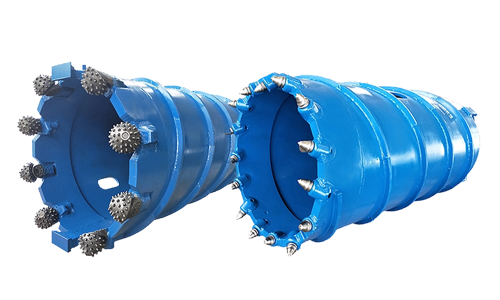
The main products are including the drilling buckets, rock buckets,cleaning buckets,core barrel with roller bits, core barrel with bullet tooth, rock drilling auger and other teeth accessories such as bullet tooth,roller bits,tooth holders, etc.
-
 SERVICE
Products customized service is available and technical construction solution will be provided according to different formation condition.
-
 BLOG
BLOGGet real-time company information and grasp the latest industry trends
-

What Is The Difference Between A Dirt Auger And A Rock Auger?
Apr 16,2024
In the realm of construction, excavation, and landscaping, the auger stands tall as a versatile tool, facilitating various digging tasks with efficiency and precision. However, not all augers are created equal. When it comes to boring through different types of soil and substrates, the choice between a dirt auger and a rock auger becomes pivotal. Understanding the nuances between these two variants is crucial for optimizing efficiency and achieving desired outcomes in excavation projects.
In this comprehensive guide, we delve into:
● What is an Auger?
● Dirt Auger vs. Rock Auger Key Differences
● Understanding the specific applications and use cases for dirt

Understanding the Basics: What is an Auger?
Before delving into the distinctions between dirt and rock augers, let's first establish a foundational understanding of what an auger is and its primary functions.
An auger is a drilling device characterized by a helical screw blade, also known as a flighting, which rotates to create a borehole in various materials, including soil, clay, sand, and even rock. Augers come in different sizes and configurations, with variations tailored to specific tasks and conditions. They are commonly utilized in construction, agriculture, gardening, and geotechnical engineering, among other fields.
Dirt Auger vs. Rock Auger: Key Differences
While both dirt and rock augers share the same basic principle of operation, their designs and functionalities are optimized for distinct soil conditions. Here's a breakdown of the primary differences between the two:
Material Composition: The most significant disparity between dirt and ROCK AUGER BIT lies in their construction and composition. Dirt augers are typically equipped with standard steel flighting designed to handle softer materials such as soil, clay, and sand. In contrast, rock augers feature reinforced construction with heavy-duty steel components, including carbide or tungsten carbide teeth, to withstand the abrasive nature of rock and compacted soil.
Auger Bit Design: The design of the auger bit plays a crucial role in its performance and suitability for specific applications. Dirt augers typically feature a wider helical blade with larger gaps between the flighting, allowing for efficient soil displacement and debris removal. On the other hand, rock augers boast a more robust and compact design, often incorporating reinforced carbide or diamond-tipped cutting teeth to penetrate dense rock formations effectively.
Auger Motor Power: Another factor to consider when choosing between a dirt auger and a rock auger is the power and torque output of the accompanying machinery, such as skid steer loaders or excavators. Rock augers require higher torque and horsepower to overcome the resistance posed by solid rock and compacted soil, necessitating the use of heavy-duty equipment with sufficient power capabilities.
Applications and Use Cases
Understanding the specific applications and use cases for dirt and ROCK BITS FOR AUGERS is essential for selecting the right tool for the job:

Dirt Auger Applications:rock bits for augers
● Landscaping and gardening projects
● Post hole digging for fencing and signage
● Foundation and footing excavation
● Soil sampling and geotechnical investigations
● Tree and shrub planting
Rock Auger Applications:
● Drilling in rocky terrain and bedrock
● Foundation drilling for buildings and structures
● Installation of utility poles and anchors
● Geotechnical drilling for site investigations
● Mining and quarrying operations
Best Practices for Auger Operation
Regardless of whether you're using a dirt auger or auger bit for rock, adhering to best practices for operation is essential to ensure safety, efficiency, and optimal performance:
● Proper Equipment Selection: Choose the appropriate auger type and size based on the soil conditions, project requirements, and equipment capabilities.
● Regular Maintenance: Inspect and maintain your auger regularly, including sharpening or replacing cutting teeth, lubricating moving parts, and checking for wear and tear.
● Optimal Drilling Techniques: Employ correct drilling techniques, including maintaining a consistent drilling speed, applying downward pressure as needed, and avoiding excessive side loads.
● Safety Precautions: Prioritize safety by wearing appropriate personal protective equipment (PPE), securing the work area, and following all manufacturer's guidelines and safety recommendations.
Dragon Tooth—BaoRui Machine Specialty Bit
Baorui Mechanical has an original design we made specifically for our clients that you can only find on our website. This tooth design cuts through hard rock fast and usually outlasts a standard rotating tooth. The dragon tooth is non-rotating, with a carbide edge to keep the tooth in constant contact with the rock you're digging through.
Remember how to choose a tooth for your auger to ensure the equipment will be at peak performance during the application. Never use an inappropriate bit on the machine, or you could damage or ruin your equipment along with slowing down production. If you have any questions regarding these parts for your auger, do not hesitate to contact us at Baorui Mechanical.
CONTACT US


FLOOW BAORUI:

Contact Us
Block 2, No. 14, Tongle Road, Tangxia Town, Pengjiang District, Jiangmen City, Guangdong Province.